Government summer savings spree adds complexity to VAT for hospitality and tourism
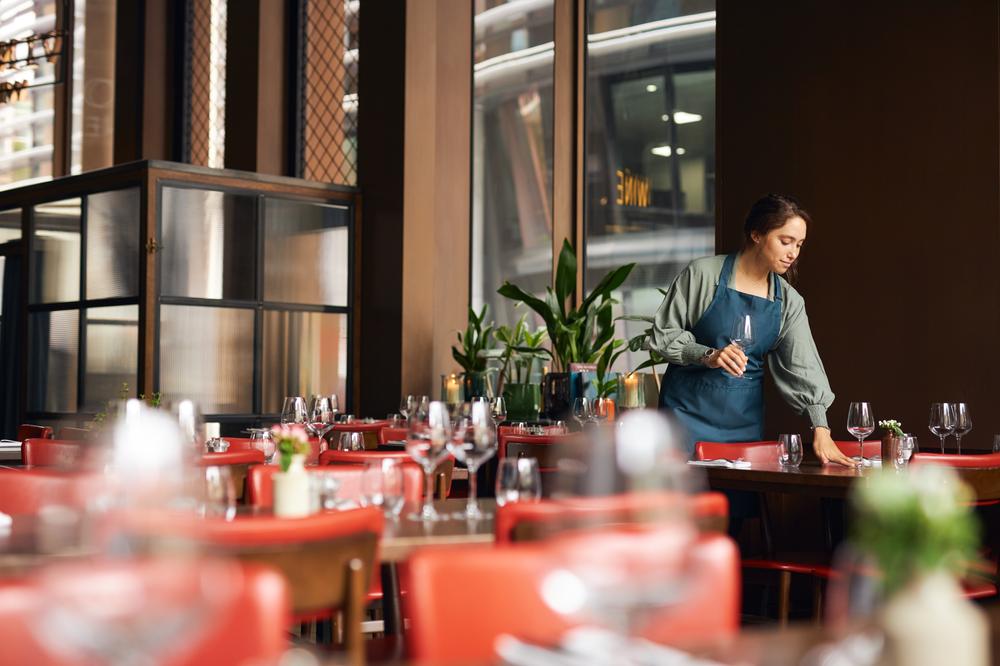
When Rachel Reeves announced a temporary cut in VAT from 20 per cent to five per cent for family attractions and children’s dining over the summer holidays, the hospitality and leisure sectors broadly welcomed it.
The scheme runs from 25 June to 1 September and is funded, according to the Treasury, by closing a tax loophole used by oil and gas companies with overseas operations.
On the surface, this looks like good news worth welcoming.
However, for the businesses applying the new rules, the reality of delivering the rate cut is more complicated than the headlines suggest.
The rules shift from one service to the next
How the cut works depends heavily on what is being sold. Admission tickets to amusement parks, water parks, zoos, museums, soft play and similar venues qualify, as do children’s and family tickets to cinemas, theatres and concerts. However, pay-per-ride attractions do not.
Children’s meals only qualify when served from a clearly marketed, separate children’s menu.
A smaller portion of an adult dish does not count, nor does a discounted adult meal or a takeaway. Season tickets and annual passes are generally excluded too.
The result is that many businesses will apply two VAT rates at once on the same bill.
Tills, accounting systems and front-of-house staff all need to handle that from day one, then revert again from 1 September.
This adds an additional layer of complexity to VAT reporting that businesses need to consider right away.
Encouraged, but not required
The Government has urged businesses to pass the saving on to customers and the Competition and Markets Authority has new anti-profiteering powers to prevent unethical activity.
Even so, there is no legal obligation to lower prices at the till and many businesses will weigh up rebuilding margin, reinvesting and matching competitors before deciding exactly what savings to offer to consumers.
Given the wider cost challenges that businesses currently face, the scheme may not deliver the lift at the till that many customers are expecting.
Right idea, wrong season?
There is also a question of timing. The scheme targets the period when families already spend most on days out and when operators are near capacity.
A cut would arguably do more for businesses in the quieter autumn and winter months. As designed, it looks more like household support than business stimulus.
Any support for the sector is welcome, provided businesses seek the expert guidance required to manage obligations and make the most of any new opportunities.