Looking to sell your business – Beat the BADR reduction
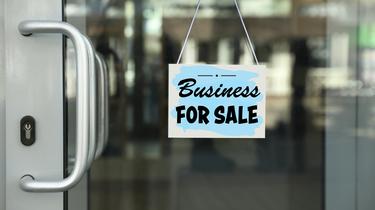
Selling a business is often the end of many years of hard work. However, the amount that you will receive from a sale is not only determined by the purchase price, but also by the tax treatment of the sale.
With Business Asset Disposal Relief (BADR) already less generous than it once was, business owners looking for an exit may want to look for support sooner rather than later as the Government restricts the lifetime limit from April next year.
What is BADR?
BADR allows qualifying individuals to pay a reduced amount of Capital Gains Tax (CGT) when selling all or part of their business.
It can also apply to qualifying shares in a trading company, provided that certain conditions are met.
To qualify, you must have owned the business, or your interest in the partnership, for at least two years up to the date of disposal.
If you are selling shares, you must also have held at least five per cent of the ordinary share capital and five per cent of the voting rights throughout that period, as well as being an officer or employee of the company.
If you hold Enterprise Management Incentive (EMI) shares, you do not need to meet the five per cent shareholding rule, provided the option was granted at least two years before the disposal.
The business must be a trading business rather than a non-trading or investment business, and the business assets must be sold within three years of the business ceasing to trade.
Over recent years, the relief has become much less generous and the BADR rate was increased to 18 per cent in April 2026.
However, the Autumn Budget has confirmed a further change, halving the lifetime limit on qualifying gains from £1 million to £500,000 from April 2027.
Why does timing matter?
For business owners planning to sell in the coming years, timing could have a significant impact on the amount of tax payable.
Under the current rules, qualifying gains of up to £1 million can benefit from BADR. For higher rate taxpayers, this means they pay Capital Gains Tax at a rate of 18 per cent rather than 24 per cent.
However, disposals taking place on or after 6 April 2027 may only qualify for relief on the first £500,000 of lifetime gains. Any gains above this amount will be taxed at 24 per cent if you are a higher rate taxpayer.
While the Government has stated that the change will not affect around three-quarters of claimants, owners expecting larger gains could face a higher tax bill if they delay their exit strategy.
Depending on individual circumstances, going through with a sale before the new rules take effect could preserve the higher relief limit, but it is best to seek professional advice beforehand.
How can we help?
If you’re considering selling your business within the next few years, it is important to understand how this change may affect you.